
How Gambling Became Part of Popular Culture in the 2020s
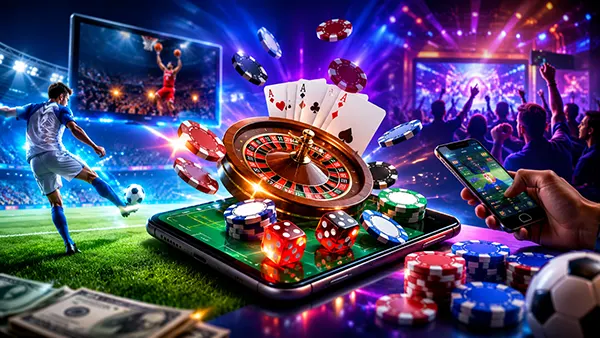
The relationship between gambling and popular culture changed significantly during the 2020s. What was once considered a niche leisure activity became increasingly visible in entertainment, sport, social media, streaming content and everyday online discussions. This transformation was influenced by technological innovation, changing regulations in many jurisdictions, wider access to mobile devices and the growing integration of gaming-related themes into mainstream culture. By 2026, gambling references can be found across television programmes, sports broadcasts, influencer content and digital communities, making it an established element of contemporary popular culture.
The Growing Visibility of Gambling in Mainstream Entertainment
One of the most noticeable developments of the 2020s has been the increased presence of gambling-related themes in mainstream entertainment. Television series, documentaries and films have explored subjects such as professional poker, sports betting, casino operations and the psychology of risk. Productions released through global streaming services have introduced gambling stories to audiences who may never have visited a casino or placed a wager.
Documentary content has also played a major role. Major broadcasters and streaming companies have produced programmes examining the history of famous casinos, the rise of online betting markets and the experiences of professional gamblers. These productions often focus on economic, social and psychological aspects rather than purely presenting gambling as entertainment.
The popularity of competitive reality programmes has further contributed to public interest. Poker tournaments, televised card competitions and betting-related analysis shows attract viewers who appreciate strategic decision-making. As a result, gambling is increasingly viewed as a topic connected to skill, mathematics, statistics and behavioural science rather than simply chance.
Streaming Services and Digital Content Creation
Content creators have become important contributors to gambling’s cultural presence. Live streaming, video-sharing websites and podcast networks regularly feature discussions about poker strategy, sports analysis, probability and responsible gambling practices. Millions of viewers consume this content each month, particularly among younger adult audiences.
The growth of long-form podcasts has also expanded public conversations about gambling. Professional players, sports analysts, economists and psychologists frequently discuss risk management, decision-making and behavioural patterns. These discussions often reach audiences that extend well beyond traditional gambling communities.
Digital creators have helped transform gambling from a specialised subject into a broader cultural conversation. Their content often focuses on personal experiences, industry developments and statistical analysis, making gambling-related topics more accessible to mainstream audiences while encouraging critical discussion about risks and responsibilities.
The Influence of Sport and Social Media
Sport has been one of the strongest drivers behind gambling’s cultural integration during the 2020s. Betting odds are now commonly discussed alongside match previews, statistical analysis and team performance reviews. Many sports fans encounter betting-related information as part of their regular consumption of football, cricket, tennis, horse racing and other sporting events.
The increasing use of real-time data has strengthened this connection. Modern sports coverage frequently incorporates advanced statistics, predictive models and performance metrics. These analytical tools appeal not only to bettors but also to fans interested in understanding sporting outcomes more deeply.
At the same time, social media has accelerated the spread of gambling-related content. Sports commentators, analysts and journalists regularly share predictions, statistical insights and match evaluations across social networks. Gambling discussions have therefore become intertwined with broader conversations about sport and competition.
The Rise of Online Communities and Shared Experiences
Online communities have significantly influenced public attitudes towards gambling. Forums, discussion groups and dedicated social channels allow users to exchange opinions, discuss strategies and analyse major sporting events. These interactions create a sense of participation that extends beyond the act of betting itself.
Large sporting tournaments often generate millions of social media interactions involving predictions and probability discussions. During events such as the FIFA World Cup, UEFA European Championship, Wimbledon and major horse racing festivals, conversations about odds and outcomes frequently become part of the wider cultural narrative surrounding the event.
Community-driven engagement has helped normalise gambling-related discussions in digital spaces. While responsible gambling remains an important consideration, the social aspect of analysing matches, sharing predictions and debating outcomes has become a common feature of online entertainment culture.
Technology, Mobile Access and Cultural Acceptance
The widespread adoption of smartphones has transformed how people interact with gambling content. Mobile applications, live statistics, instant notifications and integrated payment systems have made gambling-related information more accessible than ever before. This accessibility has contributed to its growing visibility within everyday digital life.
Technological innovation has also influenced how gambling is presented. Modern interfaces often incorporate elements familiar from video games, interactive media and social applications. Features such as achievement tracking, personalised recommendations and real-time engagement tools have created experiences that feel increasingly connected to broader digital entertainment trends.
Regulatory developments have further shaped public perception. In several major markets, clearer legal frameworks and stronger consumer protection measures have increased transparency. As a result, discussions about gambling increasingly focus on regulation, technology and responsible participation rather than treating the subject solely as a controversial activity.
The Future Role of Gambling in Popular Culture
As of 2026, gambling occupies a distinct position within popular culture. It intersects with sport, technology, media production and online communities, making it relevant to audiences with diverse interests. The cultural significance of gambling is no longer limited to casinos or betting venues; it is reflected in entertainment, data analysis and digital communication.
Future developments are likely to be influenced by artificial intelligence, enhanced personalisation and evolving media formats. Interactive broadcasts, predictive analytics and immersive viewing experiences may further strengthen the connection between gambling-related content and mainstream entertainment consumption.
At the same time, public discussions about responsible gambling, consumer protection and ethical advertising will continue to shape how gambling is represented. The balance between entertainment, regulation and social responsibility is expected to remain a defining feature of gambling’s role within popular culture throughout the remainder of the decade.
Lignende artikler
-
 Barn Festival slot machine
Barn Festival is an online slot with an agricultural theme. …
-
 Cybersecurity in Gambling: How Player Data is Protected
Digital security has become one of the most important aspects …